




At Offord Primary School, we provide a broad, balanced and inspiring curriculum designed to challenge, excite and nurture life‑long learners. Our pupils gain a strong foundation of knowledge, enriched with meaningful experiences that help them understand and navigate the wider world.
Our knowledge‑ and vocabulary‑rich approach enables children to develop a wide range of skills. Learning builds progressively year on year, using research‑informed, practical methods that help pupils make connections across subjects and achieve their full potential.
We encourage curiosity, confidence and collaboration. Through thoughtful questioning and exploration, pupils learn to contribute positively, support one another and take pride in their achievements. We value mistakes as part of real learning and celebrate both effort and success.
A strong education empowers children to express themselves, think critically and question the world around them. Our close relationships with pupils and our carefully designed curriculum help every child to thrive.
Reading and Maths are priorities throughout the school. In the early years, phonics is taught through the Read Write Inc programme. As children progress, high‑quality texts support the development of reading and writing. In Maths, we follow a mastery approach built on small, coherent steps to secure deep understanding. Skills learned in these core subjects strengthen learning across the wider curriculum and enhance the quality of pupils’ work.
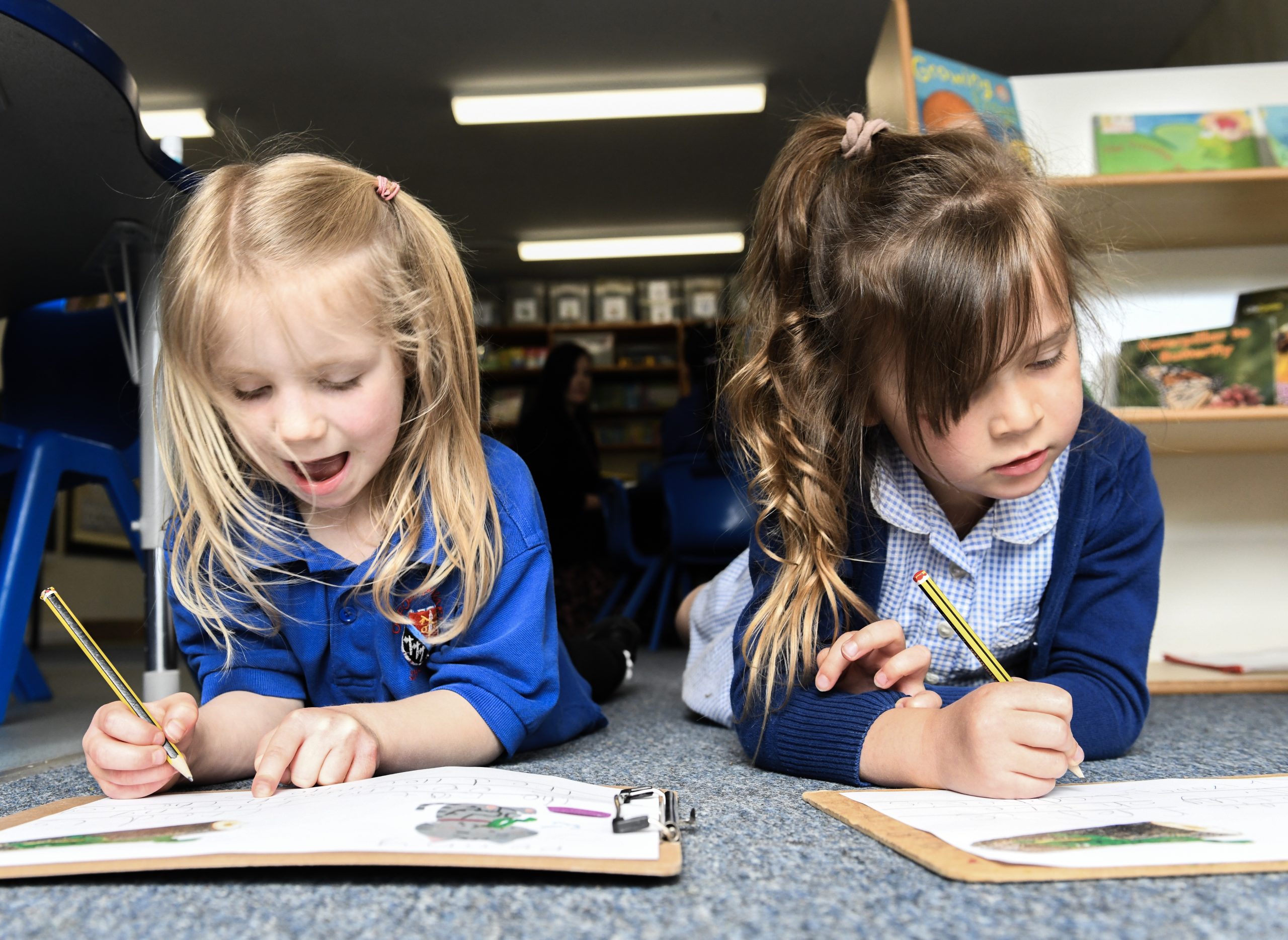
Our Foundation class, Wrens, enjoys a vibrant learning environment with full access to a dedicated outdoor area, offering a wide range of activities that support exploration, play and discovery.
We plan a well‑balanced and engaging curriculum that covers all seven areas of learning and development. Half‑termly themes provide structure, while remaining flexible and responsive to the children’s interests and needs.
Daily teaching sessions in Maths and Literacy, including phonics, are carefully adapted to support every learner. Our maths curriculum is guided by the NCETM Mastering Number programme, using a mastery approach built on manipulatives and pictorial representations. Phonics is taught through the systematic ‘Read Write Inc’ programme.
Our curriculum is shaped by professional judgement, taking into account each child’s achievements, interests and next steps. Learning includes a blend of adult‑led and child‑initiated opportunities, enabling children to engage in meaningful, play‑based experiences that build on what they already know and open up new possibilities.
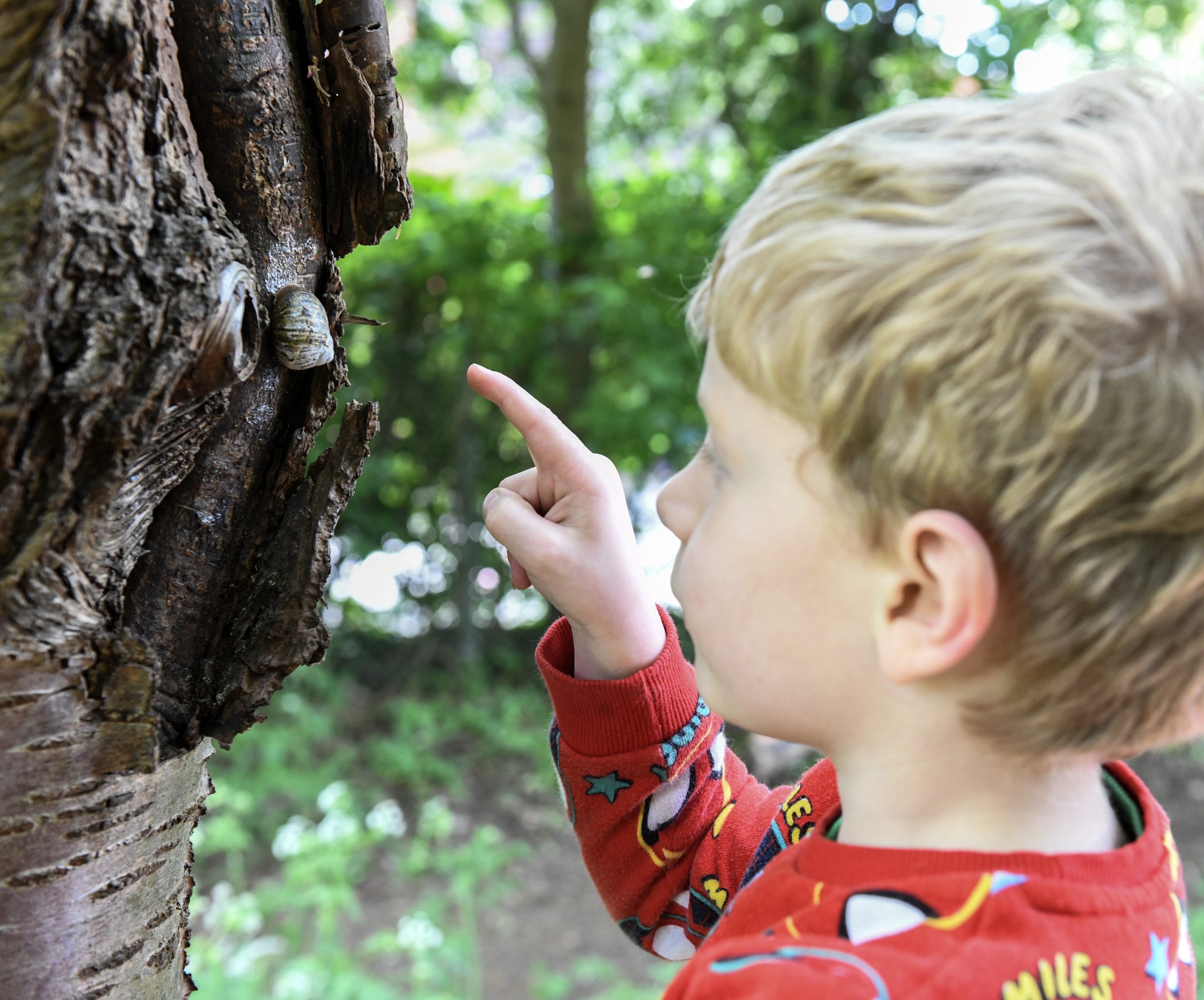
Outdoor learning is an important part of our provision. Each week, Wrens visit the school’s enclosed orchard for Forest School sessions, where children connect with nature, develop new skills, strengthen fine and gross motor skills, build confidence and self‑esteem, take safe risks and explore the world around them.
Our EYFS Curriculum Overview can be accessed via the link on the left.
Our Key Stage 1 class, Robins, brings together children in Year 1 and Year 2 in a supportive and engaging learning environment.
We provide a well‑structured and stimulating curriculum that builds on the foundations established in the early years. Children continue their reading journey through the Read Write Inc phonics programme, while Maths is taught using the Power Maths scheme alongside additional activities that strengthen fluency and number sense. Phonics, English and Maths are taught mainly in the morning to ensure focused, high‑quality learning time.
Science teaching covers a broad range of topics across physics, chemistry and biology. Children learn through hands‑on investigations, research and observation, developing curiosity and scientific thinking.
Foundation subjects are taught primarily in the afternoon and include art, computing, design and technology, geography, history, music, PE, PSHE and RE. This balanced curriculum ensures that children experience a rich variety of knowledge and skills across the week.
Assessment is part of the learning journey. Children in Year 1 complete the national Phonics Screening Check, and Year 2 pupils undertake national assessments in reading, writing and maths.
Learning is enriched through regular curriculum‑linked trips, Forest School sessions and opportunities to perform, including a class production at the end of the autumn term. These experiences help children develop confidence, teamwork and a sense of achievement.
Key Stage 2 is taught in two classes: Hawks (Years 3 and 4) and Kingfishers (Years 5 and 6). Across both classes, we provide a broad and engaging curriculum that builds progressively on the knowledge and skills gained in earlier years.
Most mornings focus on Maths and English, with foundation subjects taught in the afternoon. All children take part in two PE sessions each week, including a half‑term of swimming. Learning is supported by a skilled team of adults who adapt teaching to meet individual needs. Additional intervention programmes, including Fresh Start (building on Read Write Inc) and Rapid Maths, help pupils strengthen reading and maths fluency so they can confidently access the full KS2 curriculum.
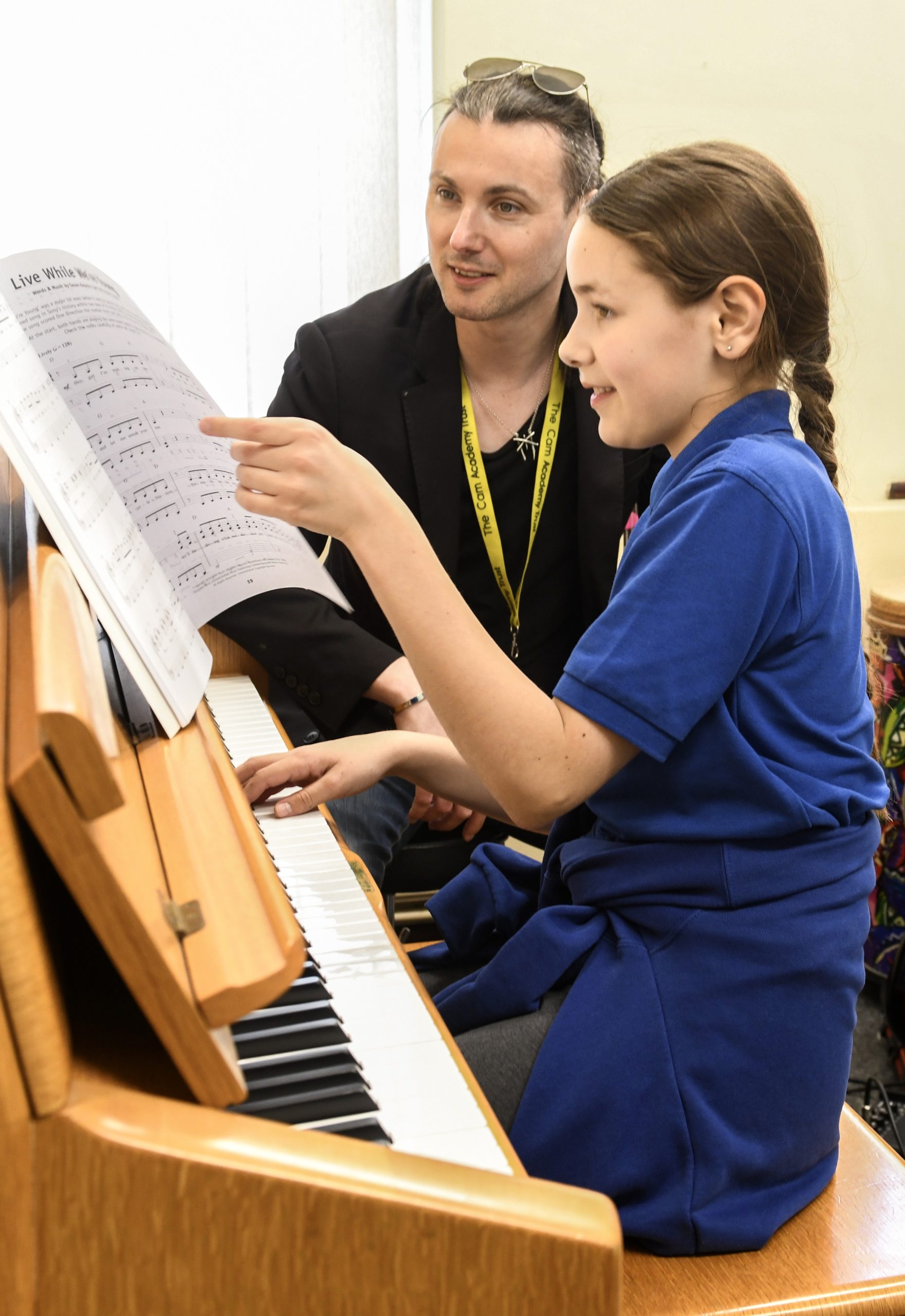
Children have the opportunity to take part in extra‑curricular music lessons, including drums, piano, guitar and singing. Each year, KS2 pupils also work together to perform a play, developing confidence, teamwork and creativity.
During their time in KS2, pupils experience two residential visits. In Years 3 and 4, children spend two nights at Burwell House, and in Years 5 and 6 they enjoy a four‑night adventure at Kingswood. These residentials play an important role in developing independence, resilience and social skills.
Our curriculum is enriched by events that reflect the world around us, such as Anti‑Bullying Week, World Book Day and national celebrations. Children are encouraged to understand their place in the community by supporting charities including Children in Need and Godmanchester Food Bank. We are committed to providing a balanced education that connects with the society our children live in today.
Subject overviews
Intent
Art at Offord Primary School aims to inspire creativity, imagination and self‑expression. We want pupils to develop the knowledge, skills and confidence to explore ideas, respond to experiences and understand how art reflects and shapes culture. Our curriculum builds progressively across drawing, mixed media and painting, enabling children to think critically and appreciate the work of a diverse range of artists.
Implementation
Art is taught in all year groups through well‑structured units that follow the National Curriculum. Each unit includes opportunities to explore artwork, practise key skills, study an artist and create a final piece. Planning is supported by expertise from The Cam Academy Trust, ensuring high‑quality teaching. Pupils learn about local, national and international artists, using their work as inspiration for developing techniques and personal style.
Impact
Teachers assess pupils’ skills and understanding throughout lessons, using this to inform support and challenge. The subject leader monitors impact through book looks, lesson visits and pupil voice. Pupils leave each year with increased confidence, technical skill and appreciation of art as a form of communication and cultural expression.
Intent
Computing equips pupils to participate confidently in a digital world. We aim to develop computational thinking, creativity and digital literacy so children can use technology safely, responsibly and effectively. Pupils learn how digital systems work, how to create and debug programs, and how to use technology to express ideas and solve problems.
Implementation
The curriculum is structured around three strands: Understanding Technology, Programming and Digital Literacy. Lessons follow the Teach Computing scheme, developed by the National Centre for Computing Excellence. Online safety is embedded across units and supported by Project Evolve. Pupils learn through practical tasks, problem‑solving and cross‑curricular links with subjects such as Maths, Science and English.
Impact
Ongoing assessment ensures pupils develop secure knowledge and skills. The subject leader monitors progress through lesson visits, pupil discussions and work samples. Pupils become confident, safe and capable users of technology who can apply their learning across the curriculum and in everyday life.
Intent
Design Technology encourages pupils to become creative problem‑solvers who can design, make and evaluate products with purpose. Our curriculum develops practical skills, critical thinking and an understanding of how design impacts daily life. Children learn about structures, mechanisms, prototypes, sewing and cooking, with food technology taught every year.
Implementation
DT is taught through a research, design, plan, make and evaluate cycle. Pupils design products for specific users, learning how to refine ideas and improve outcomes. Food technology includes understanding where food comes from, healthy eating and safe preparation. KS1 focuses on purposeful projects and teamwork, while KS2 includes studying inventors and analysing existing products.
Impact
Teachers assess skills throughout lessons and adapt teaching accordingly. The subject leader monitors impact through book scrutiny, lesson observations and pupil voice. Pupils develop confidence, creativity and practical capability, becoming informed consumers and potential innovators.
Intent
English at Offord Primary School aims to develop fluent readers, confident writers and articulate speakers. We want pupils to enjoy literature, communicate effectively and build the skills needed for the next stage of their education. High‑quality texts underpin learning, inspiring imagination and deepening understanding of language.
Implementation
English is taught through an integrated programme of reading, writing, speaking and listening. Focus texts provide rich contexts for vocabulary, grammar and composition. Phonics is taught systematically through Read Write Inc, and pupils apply English skills across the curriculum. Children learn to edit, refine and evaluate their work, developing accuracy and independence.
Impact
Assessment informs next steps and ensures high expectations for all learners. Pupils develop a love of reading, write for a range of purposes and audiences, and speak confidently. They leave Offord with strong literacy skills, growing vocabulary and an appreciation of our literary heritage.
Intent
Geography helps pupils understand the world, its people and environments. We aim to develop curiosity, global awareness and respect for the planet. Pupils learn about physical and human geography, climate, landscapes and cultures, building the knowledge needed to make sense of an interconnected world.
Implementation
Units follow the National Curriculum and include mapping skills, places, settlements and fieldwork. Children investigate global themes such as natural disasters and climate change. Learning is enriched through visitors, trips and local fieldwork. Cross‑curricular links, particularly with History, deepen understanding of place and time.
Impact
Teachers assess understanding throughout lessons. The subject leader monitors impact through work scrutiny and pupil voice. Pupils develop strong geographical knowledge, enquiry skills and an appreciation of the world around them.
Intent
History aims to develop pupils’ understanding of Britain’s past and the wider world. We want children to ask questions, think critically and understand how historical events shape society today. Through studying diverse civilisations and periods, pupils gain insight into change, continuity and cultural identity.
Implementation
Units follow the National Curriculum and cover British and world history. Teaching focuses on key themes such as governance, beliefs and daily life, while building chronological understanding. Pupils learn through enquiry, examining evidence, analysing sources and visiting historical sites. Resources and artefacts support rich, meaningful learning.
Impact
Assessment is ongoing and informs teaching. The subject leader monitors learning through books, observations and pupil interviews. Pupils develop historical knowledge, critical thinking and the ability to form reasoned judgements.
Intent
Maths at Offord Primary School aims to ensure all pupils develop deep, secure and adaptable understanding. Through a mastery approach, we want children to become confident mathematicians who can reason, solve problems and apply skills in real‑life contexts.
Implementation
We follow the Teaching for Mastery approach, supported by the Power Maths scheme. Learning is broken into small, coherent steps that build fluency, reasoning and problem‑solving. Pupils use manipulatives and representations to secure understanding. Interventions such as Rapid Maths support pupils who need additional practice.
Impact
Assessment informs next steps and ensures all pupils access the full curriculum. Pupils develop confidence, resilience and strong conceptual understanding, enabling them to use maths effectively in everyday life and future learning.
Intent
Learning a language broadens pupils’ horizons and deepens cultural understanding. We aim to foster curiosity, respect for other cultures and confidence in communicating in another language. Spanish is taught as it aligns with our local secondary school provision.
Implementation
Spanish is taught weekly in Years 3–6. Lessons introduce phonics, vocabulary and simple grammar, progressing to reading and writing short texts. Pupils learn through speaking, listening, games, songs and practical activities that build confidence and enjoyment.
Impact
Assessment is ongoing and informs teaching. Pupils develop growing confidence in speaking and understanding Spanish, alongside increased cultural awareness. They leave KS2 prepared for further language learning.
Intent
Music aims to inspire a lifelong love of the subject, building confidence, creativity and self‑expression. Pupils explore rhythm, composition, performance and musical appreciation across a wide range of genres and traditions.
Implementation
Lessons cover singing, instrumental skills, composition and listening. Pupils explore music from different periods and cultures. Extra‑curricular tuition is available in singing, piano, guitar and drums, with opportunities to perform in assemblies and events. As a Music Mark school, we access high‑quality resources and enrichment opportunities.
Impact
Assessment informs next steps and celebrates progress. Pupils develop musical skills, confidence and enjoyment. They understand music as a form of expression and community, contributing positively to school life.
Intent
PE promotes physical health, wellbeing and confidence. We aim to inspire pupils to enjoy physical activity, develop key skills and lead active, healthy lives. Sport also builds resilience, teamwork and positive attitudes.
Implementation
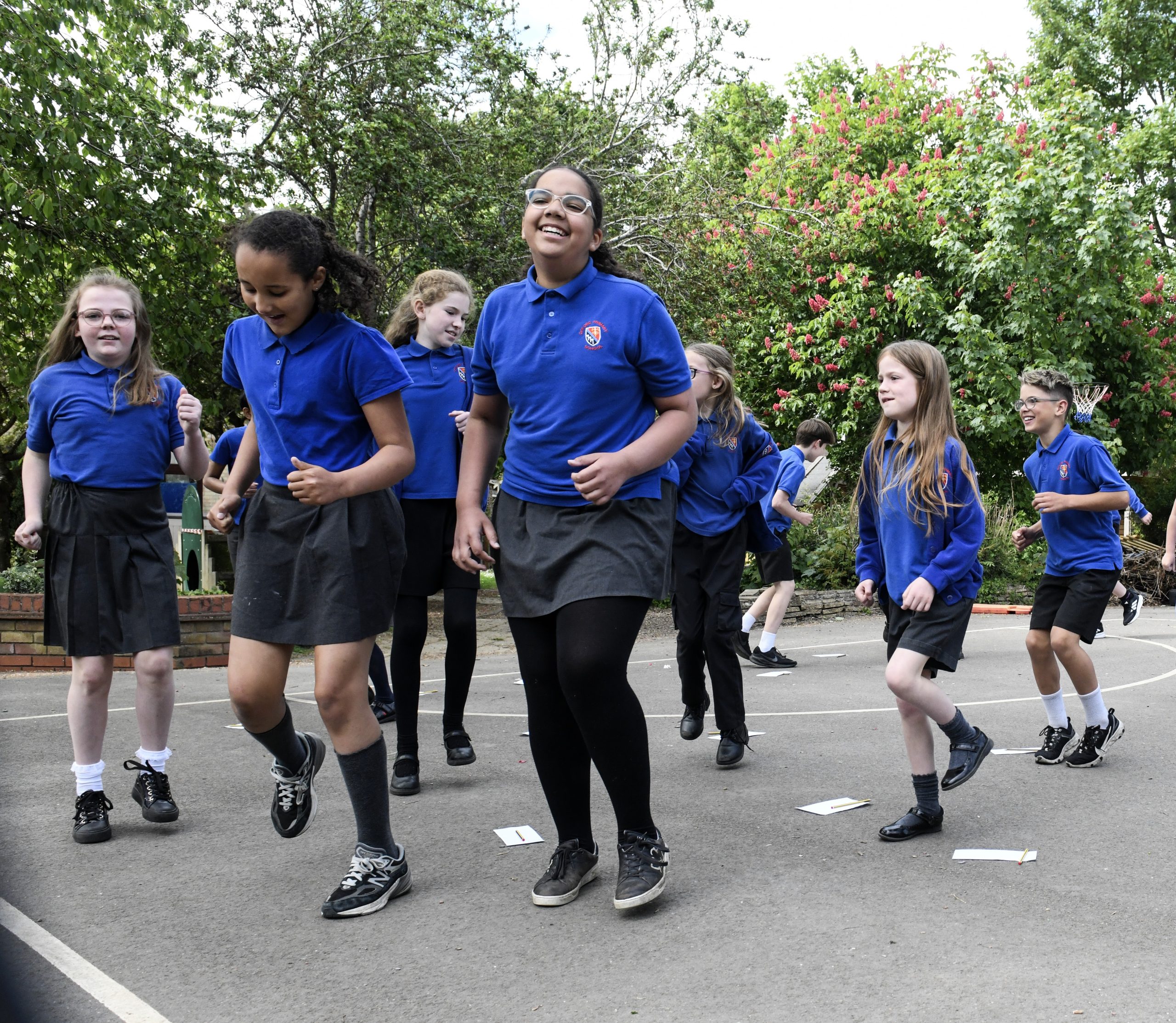
Pupils have two PE lessons each week, taught by specialist coaches and class teachers. KS2 pupils attend swimming lessons annually. Children participate in a wide range of sports, competitions and festivals through the Hunts School Sports Partnership and Youth Sport Trust. Lunchtime and after‑school clubs further extend opportunities.
Impact
Assessment ensures progression in skills and fitness. Pupils develop confidence, resilience and enjoyment of physical activity. They understand the importance of health and wellbeing and participate positively in school sport.
Intent
PSHE supports pupils’ personal development, wellbeing and understanding of themselves and others. We aim to foster respect, responsibility, self‑esteem and the values needed to thrive as members of modern British society.
Implementation
PSHE is taught weekly from EYFS to Year 6, supported by assemblies and whole‑school themes. Lessons explore relationships, health, safety, diversity and citizenship. Cross‑curricular links with RE and Science deepen understanding. Pupils learn through discussion, reflection and real‑life contexts.
Impact
Assessment is ongoing and informs teaching. Pupils develop confidence, empathy and the ability to make informed choices. PSHE underpins the school ethos and contributes to a positive, respectful community.
Intent
RE aims to develop pupils’ understanding of different religions, beliefs and worldviews. We want children to reflect, question and develop empathy, becoming inclusive, thoughtful individuals who can engage respectfully with diverse perspectives.
Implementation
RE is taught through a concept‑based, enquiry‑led curriculum. Pupils explore key ideas across major world religions, building on Early Years understanding of the world. Lessons encourage questioning, reasoning and respectful discussion. Children learn how beliefs influence values, culture and behaviour.
Impact
Assessment informs next steps and supports deepening understanding. Pupils develop confidence in expressing and justifying their views while respecting others. RE contributes to pupils’ spiritual, moral and cultural development and supports core British values.